

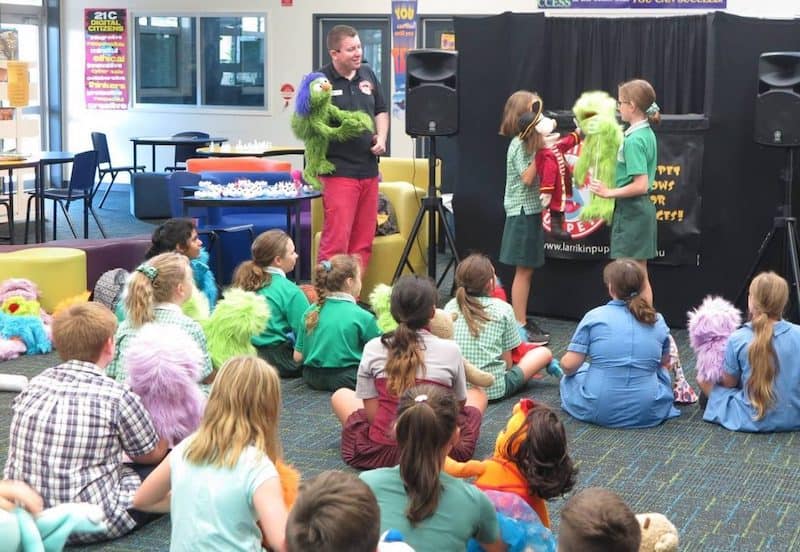
In an era where experiential learning is increasingly valued, educators are tasked with finding innovative ways to engage students and enhance their educational experiences. One of the most effective methods to achieve this is through live performances, which can captivate young audiences while reinforcing academic concepts in a dynamic and interactive manner. However, booking the right shows for schools can be a daunting endeavor, requiring educators to consider various factors, including curriculum alignment, age appropriateness, and production quality. The challenge lies not only in selecting performances that entertain but also in choosing those that stimulate critical thinking, creativity, and collaboration among students. This article aims to provide educators with practical tips and strategies for booking the perfect shows that align with educational objectives and resonate with students’ interests. By taking a thoughtful approach to selecting performances, educators can ensure that they enrich the curriculum, foster a love for the arts, and create memorable experiences that students will cherish long after the final curtain call. Whether you are a seasoned administrator or a dedicated teacher seeking to enhance your school’s arts programming, these insights will empower you to make informed decisions that elevate the educational landscape within your institution.
– Evaluate educational value of shows for schools.
When considering shows for schools, it is essential to assess their educational value to ensure they align with curricular goals and contribute positively to student learning. Educational shows can enhance engagement by providing interactive and immersive experiences that reinforce classroom concepts. Furthermore, selecting shows that promote critical thinking, creativity, and collaboration can help students develop essential life skills. An evaluation should focus on the show’s content, production quality, and the qualifications of the presenters, as these factors significantly impact the overall effectiveness of the learning experience.
In addition to the content itself, the relevance of the themes addressed in shows for schools should be taken into account. Programs that tackle current societal issues, historical events, or scientific principles can create meaningful discussions and reflections among students. Evaluating how well a show can stimulate curiosity and foster a love for learning is crucial. Moreover, feedback from both students and educators can provide valuable insights into the show’s impact, helping to refine future selections and ensure that the educational objectives are met effectively.
– Consider age-appropriateness and engagement level.
Ensuring age-appropriateness in shows for schools is crucial for maximizing student engagement and learning outcomes. Different age groups have varying cognitive abilities, interests, and emotional maturity levels, which should guide the selection of performances. A show designed for younger students may utilize more visual storytelling and interactive elements, while older students might benefit from complex narratives that encourage critical analysis. By matching the content and style of the show to the developmental stage of the audience, educators can foster a more impactful and relatable experience for students.
Engagement level is another key factor to consider when booking shows for schools. Programs that actively involve students through discussions, Q&A sessions, or hands-on activities tend to resonate more effectively. High-energy performances that capture students’ attention and stimulate their imaginations are essential for maintaining interest throughout the duration of the show. Educators should seek out shows that not only entertain but also inspire participation and reflection, as this will enhance the overall educational value and make the experience memorable for students.
– Gather feedback from students and teachers.
Collecting feedback from both students and teachers after performances can provide invaluable insights into the effectiveness of shows for schools. This feedback not only helps in assessing the overall impact of the performance on students’ understanding and enjoyment but also highlights specific elements that may have resonated or fallen flat. By encouraging open dialogue, educators can gauge students’ reactions and perceptions, allowing for a more tailored approach to future bookings. Furthermore, involving teachers in the feedback process ensures that the educational objectives align with the artistic content, fostering a collaborative environment for continuous improvement.
Incorporating this feedback into future selections can significantly enhance the educational value of shows for schools. Teachers can offer perspectives on how the content integrates with curriculum goals, while students can express their enjoyment and engagement levels. This dual-layered feedback mechanism not only refines the selection process but also strengthens the overall program, ensuring that each performance effectively captivates and educates the audience, thus making the investment in live shows a worthwhile endeavor for educational institutions.
In conclusion, successfully booking the perfect shows for schools requires careful consideration and planning. By understanding your students’ interests, aligning performances with educational goals, and fostering an inclusive environment, educators can create enriching experiences that resonate with their diverse audiences. Additionally, establishing clear communication with production companies and prioritizing logistical details will ensure a smooth execution of events. Ultimately, the right performances not only enhance students’ learning experiences but also inspire creativity and a love for the arts, making them a valuable addition to any school curriculum. With these strategies in mind, educators can confidently curate captivating shows that leave a lasting impact on their students.